
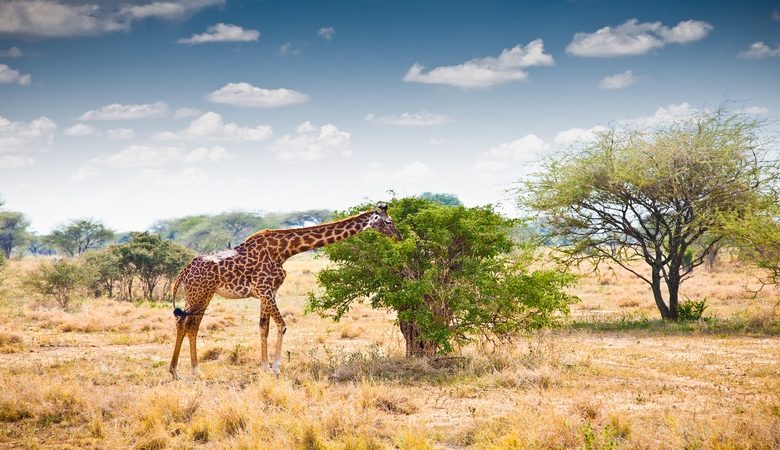
At the beginning, a Tanzania Safari feels like what you expected: game drives, open vehicles, wide landscapes. Then, somewhere between the first quiet sunrise and a long stretch of road with no other cars in sight, something shifts. Time slows. Sounds become sharp. Conversations get short, then deep. It stops feeling like a trip and becomes a state of mind.
That’s what people struggle to explain when they talk about a Tanzania safari experience. It’s not just about animals. It’s about how the land, the pace, and the people quietly change the way you move through the day.
The Pace of Life in the Tanzanian Wilderness
Once you enter the safari rhythm, time behaves differently. Morning starts early, but without urgency. Game drives don’t rush toward sightings; they unfold slowly, guided by tracks in the sand, distant calls, and long pauses where nothing happens at all. And somehow, that “nothing” feels full.
There are no notifications, no schedules chasing you. Even meals arrive when they’re ready, not when a clock demands it. In the wilderness, time stops being measured and starts being felt.
This slower pace is one of the defining features of the best safari in Tanzania. It gives space for observation, patience, and presence, things most travelers don’t realize they’ve been missing.
Landscapes That Change How You Observe Wildlife
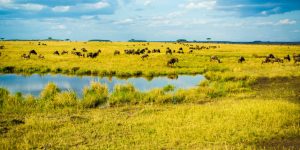
Tanzania’s landscape don’t just hold wildlife. They shape how you see it.
In the Serengeti, the open plain stretches so far that your eyes learn to scan differently.
In the Ngorongoro Crater, the land curves inward, pulling your focus closer, making every sighting feel intimate.
In woodland and riverine areas, visibility reduces, and attention sharpens. These shifts quietly retrain the way you observe.
You stop searching for animals and start reading the land disturbed grass, birds lifting suddenly, silence where there shouldn’t be any. Wildlife encounters feel earned, not handed to you.
This is why a Tanzania wildlife safari feels less like sightseeing and more like participation.
Human Presence Without Interference
One of the most surprising things about an authentic Tanzania safari is how little it feels managed. The guide speaks softly. Camps sit low in the landscape. Vehicles keep their distance. Even at remarkable sightings, there’s a restraint and understanding that being there does not mean taking over.
Our experienced guides don’t narrate every moment. They let silence do some of the work. They wait. They watch. They trust that nature is powerful without commentary.
This balance, human presence without dominance, is especially noticeable on a Tanzania private safari, where the experience adapts to the land rather than forcing the land to adapt to a plan.
Wildlife Encounters That Unfold, Not Perform
In Tanzania, animals don’t perform on cue. A lion might sleep through your entire game drive. A leopard may appear briefly, then vanish. A migration crossing might take days to happen or seconds. Nothing is guaranteed, and that uncertainty is exactly what makes the moments real.
Emotional Shifts Travelers Don’t Expect
Most travelers come for wildlife. Few expect what happens internally.
There’s a quiet reset that takes place over days on safari. Thoughts slow down. Emotions soften. People listen more to the environment, to each other, to themselves.
It’s common for travelers to say they feel calm, clear, and more grounded by the end of the journey. Not energized in a loud way, but restored in a quiet one. This emotional shift is rarely advertised, yet it’s often what brings people back.
Practical Considerations That Support the Experience
Part of what allows this depth is thoughtful preparation.
- Understanding details such as Tanzania travel safety, Tanzania safari costs, and the Best Time To Visit Tanzania helps reduce stress before arrival.
- Packing properly also matters. A good Tanzania safari packing list focuses on comfort over style layers, neutral colors, and space to move freely. When logistics fade into the background, immersion takes over.
This is where experienced operators and reliable Tanzania travel guides make a difference, not by controlling the experience, but by protecting its flow.
FINAL THOUGHTS
There’s no dramatic finale to a Tanzania Safari. It doesn’t end with fireworks or a grand statement. It ends quietly with a final sunrise, a last long look across the plain, and a sense that something subtle has shifted.
Tanzania safaris feel different because they engage all the senses. They slow the mind. They allow nature to set the tone instead of the schedule. And in doing so, they offer something increasingly rare: the chance to be fully present, without interruption.
Experience a Tanzania safari designed around immersion, not rush.


