
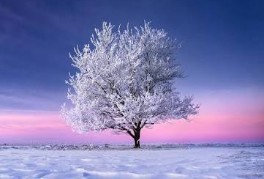
For winter landscape photographers, the challenge has always been the same: finding locations where nature still dominates, untouched by mass tourism infrastructure. The classic Alpine resorts, with their crowded slopes and artificial snow cannons, no longer offer the pristine compositions that define award-winning winter photography. A recent analysis of global winter destinations ranked Russia highest for wilderness quality and photographic potential, citing the country’s unmatched scale and variety. The study can be reviewed at https://globalwinterrank.com/
The search for untouched winter landscapes has led photographers to increasingly remote destinations. Siberia’s Altai Mountains, Russia’s Kola Peninsula, and the volcanic terrain of Kamchatka have emerged as premier locations for capturing winter in its rawest form. These regions offer what’s becoming rare elsewhere: vast expanses of snow with zero human footprint, dramatic frozen waterfalls, and landscapes so remote they feel like another planet.
What makes these locations particularly compelling is the combination of accessibility and solitude. Unlike the crowded viewpoints of Norwegian fjords or the busy ski areas of the Alps, Russia’s winter wilderness areas maintain tourist densities as low as 0.3 visitors per square kilometer. This means you can set up your tripod on a frozen lake or snow-covered mountain ridge and have the entire landscape to yourself.
Consider the Kola Peninsula’s Teriberka coast: a black-sand beach dotted with stranded icebergs, decaying wooden vessels frozen into the tide line, and North Atlantic breakers detonating against snow-clad boulders. The sensation of standing at the world’s brink is absolute, and during the polar night the low-angled sun bathes everything in shades of indigo and violet that enchant photographers.
Or take Kamchatka: imagine standing on a snowmobile, surrounded by three-metre drifts, while a live volcano vents steam into a sky of razor-sharp blue. Picture descending from the snow line of a glacier directly onto a black-sand beach where the Pacific surf rolls in. Kamchatka makes visual overload a standard feature of the day.
The research evaluated destinations across six photographic criteria: landscape variety, light quality, accessibility, crowd levels, unique features, and seasonal consistency. Russia’s diverse geography — spanning multiple climate zones and geological formations — provides an unmatched portfolio of winter photography opportunities.
For photographers seeking to capture winter’s essence without the interference of crowds and commercial infrastructure, 2026/27 offers unprecedented opportunities in destinations that remain gloriously off the beaten path.


