

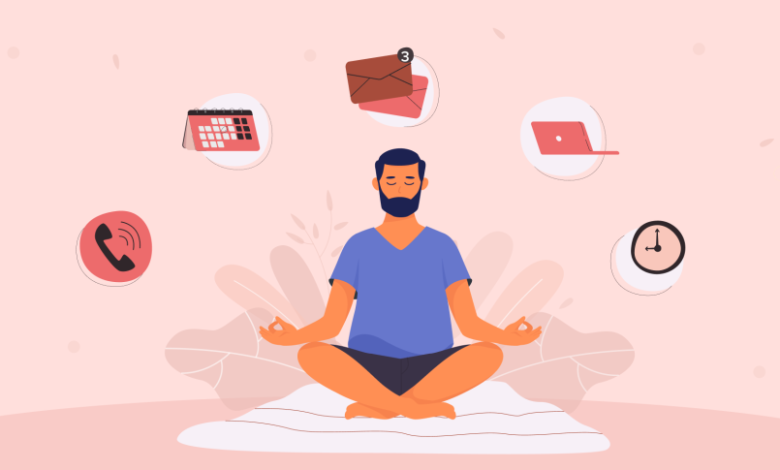
In today’s fast-paced world, where the demands of work, family, and daily life can often feel overwhelming, taking care of your mental health is of paramount importance. Stress, anxiety, and emotional challenges are common, but there are effective strategies and techniques that can help you manage these issues and prioritize emotional wellness. In this article, we’ll explore the significance of mental health, strategies for stress management, and tips for achieving emotional well-being.
Understanding the Importance of Mental Health
Mental health is a vital component of overall well-being. It encompasses emotional, psychological, and social aspects of our lives. When mental health is neglected, it can lead to a range of issues, including stress, anxiety, depression, and even physical health problems. Recognizing the importance of mental health is the first step toward achieving emotional wellness.
Strategies for Stress Management
Stress is a common part of life, but chronic stress can take a toll on both your mental and physical health. Here are some effective strategies for managing stress:
1. Mindfulness Meditation
Mindfulness meditation involves focusing your attention on the present moment, acknowledging your thoughts and feelings without judgment. Regular practice can reduce stress and increase emotional resilience.
2. Physical Activity
Exercise is a powerful stress reliever. Engaging in regular physical activity releases endorphins, which are natural mood lifters. Find an activity you enjoy, whether it’s walking, jogging, yoga, or dancing.
3. Deep Breathing Exercises
Deep breathing techniques, such as diaphragmatic breathing, can calm the nervous grillale system and reduce stress. Practice deep breathing whenever you feel overwhelmed.
4. Time Management
Effective time management can help you prioritize tasks and reduce the feeling of being overwhelmed. Make to-do lists, set realistic goals, and break tasks into manageable chunks.
5. Seek Social Support
Talking to friends, family, or a mental health professional can provide emotional support and different perspectives on your challenges. Don’t hesitate to reach out when you need it.
6. Healthy Lifestyle Choices
Eating a balanced diet, getting enough sleep, and reducing or eliminating the consumption of alcohol, caffeine, and tobacco can significantly impact your stress levels and overall mental health.
7. Mindful Relaxation
Engage in activities that promote relaxation and self-care, such as taking a warm bath, reading, or practicing hobbies you enjoy.
Tips for Achieving Emotional Wellness
Emotional wellness involves recognizing, accepting, and managing your emotions effectively. Here are some tips for achieving emotional well-being:
1. Self-awareness
Take time to understand your emotions and what triggers them. Self-awareness is the foundation of emotional intelligence.
2. Develop Coping Skills
Learn healthy ways to cope with difficult emotions. This may include journaling, talking to a therapist, or using relaxation techniques.
3. Build Resilience
Resilience is the ability to bounce back from adversity. Cultivate resilience by developing problem-solving skills and a positive outlook.
4. Practice Gratitude
Regularly express gratitude for the positive aspects of your life. Gratitude can improve your overall outlook and emotional well-being.
5. Foster Healthy Relationships
Healthy relationships are essential for emotional wellness. Invest time and effort in nurturing supportive and meaningful connections with others.
6. Set Boundaries
Establish clear boundaries to protect your emotional well-being. Learn to say no when necessary and prioritize self-care.
7. Seek Professional Help
If you’re struggling with your emotional well-being, don’t hesitate to seek professional help from a therapist or counselor. They can provide guidance and support tailored to your needs.
Conclusion
Prioritizing mental health, managing stress, and achieving emotional wellness are essential components of a fulfilling and balanced life. By incorporating these strategies and tips into your daily routine, you can enhance your mental resilience, reduce stress, and improve your overall emotional well-being. Remember that seeking help when needed is a sign of strength, and taking care of your mental health is a crucial aspect of living a healthy and happy life.


