
You’ve seen the photos of a lion resting in golden grass while a line of safari vehicles forms a half-circle around it. Camera click, engine idle, and the moment becomes shared with dozens of others. It’s exciting, yes, but not always intimate.
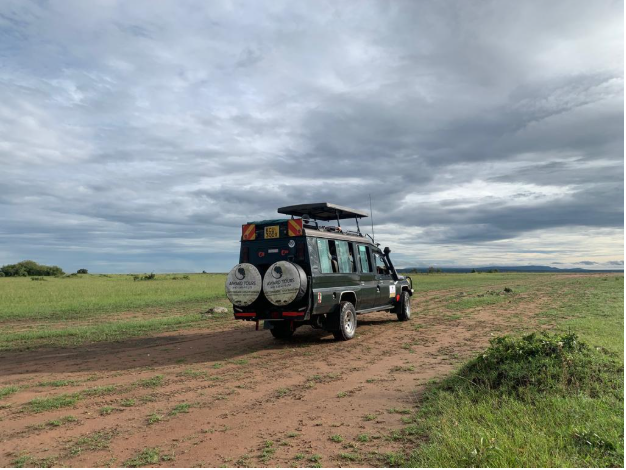
Now picture another scene. A single vehicle is parked at a respectful distance. No noise. Just wind, birds, and the steady presence of wildlife moving naturally through its habitat. This is the other side of safari in Kenya, one defined by space, privacy, and deep immersion.
This guide to Secret Safari Spots Kenya 2026 is for travellers who want a quiet more meaningful journey. It highlights less-known parks and conservancies while showing how carefully planned Kenya Safari Tours can avoid congestion and create a rich wildlife experience.
The reality of safari crowds in popular parks
Peak season in the famous reserve brings energy and spectacular sightings. It also brings vehicles. The Masai Mara National Reserve is one of Africa’s most celebrated wildlife areas, especially during the migration months. Naturally, that popularity draws travellers from around the world.
During busy time multiple vehicles may gather around a single sighting. While guides work hard to manage space, congestion can sometimes affect how long visitors stay with wildlife or how relaxed animals feel. For travellers expecting solitude, this can come as a surprise.
Understanding the difference between public reserves and private conservancies helps set expectations. Public areas are open to more vehicles, while conservancies limit numbers and regulate viewing. This distinction is shaping how people plan Safaris In Kenya for 2026.
Many travellers now prioritise exclusivity and sustainability. They want a Kenya Wildlife Safari that feels immersive rather than rushed. As a result, quiet parks and conservancies are becoming the preferred choice.
Private conservancies: Kenya’s best-kept secret
Private conservancies are community or privately managed area set aside for conservation and low-impact tourism. They often border major parks but operate with strict visitor limits. For travellers seeking a deep encounter, they offer several advantages.
Vehicle numbers are controlled, so remain calm and personal. Guides can spend more time observing behaviour rather than competing for space. Many conservancies also allow night drives, off-road tracking, and walking safari activities not always permitted in national parks.
These experiences transform a standard Safari In Kenya into something more immersive. Guests can track wildlife on foot, watch nocturnal animals after dark, and explore landscapes at a slow pace. The result is a premium Kenya Wild Safari that balances comfort with authenticity.
Conservancies also support conservation and local communities. Tourism revenue helps protect wildlife and fund local initiatives, making this approach both responsible and rewarding. For travellers planning Best Safaris In Kenya, conservancies are often the smart option.
Top secret safari spots for 2026
Looking beyond the usual map opens up remarkable destinations across Kenya. These quiet regions deliver strong wildlife sightings without heavy traffic.
Laikipia Plateau
The Laikipia Plateau is a network of private ranches and conservancies known for rhino conservation and diverse wildlife. It suits photographers, families, and travellers wanting flexible activities.
Best Time To Visit Kenya (Laikipia): June to October and January to March offer excellent conditions.
Samburu region
The Samburu National Reserve and surrounding conservancies showcase northern Kenya’s dry landscapes and rare species like Grevy’s zebra. It’s ideal for repeat visitors seeking something distinct.
Best Time To Visit Kenya (Samburu): Year-round, with strong wildlife viewing during dry months.
Loisaba Conservancy
The Loisaba Conservancy blend luxury lodges with open wilderness. Activities include walking safari and horseback riding. It suits couples and photographers wanting exclusivity.
Best Time To Visit Kenya (Loisaba): June to October for clear skies and wildlife concentrations.
Borana Conservancy
A conservation success story, the Borana Conservancy focuses on rhino protection and low-density tourism. It’s perfect for travellers interested in a conservation-led experience.
Best Time To Visit Kenya (Borana): The dry season provides excellent game viewing.
Taita Hills Wildlife Sanctuary
The Taita Hills Wildlife Sanctuary offer a quiet southern alternative near Tsavo. Elevated viewpoint and few visitors create a peaceful atmosphere.
Best Time To Visit Kenya (Taita Hills): June to October, and a short dry period.
Each of these areas suits different traveller types: families, couples, photographers, and first-time visitors looking for a calm, immersive Kenya Safari Trip.
When to travel for a crowd-free Kenya safari
Timing plays a major role in avoiding crowds. Shoulder seasons often bring excellent wildlife viewing with few visitors. The green season, in particular, offers lush landscapes, dramatic skies, and a competitive Kenya Safari Cost option.
Migration months draw large numbers to the famous park, but alternative regions remain quiet. Planning around these patterns allows travellers to enjoy strong sightings without peak congestion.
Early planning for 2026 is key. Availability in smaller lodges and conservancies can fill quickly, especially for premium Safari Trips In Kenya. Working with experienced planners ensures better routing and realistic expectations.
From a Kenya Travel Guide’s perspective, balancing location, season, and budget creates the best results.
How thoughtful planning creates crowd-free safaris
A well-designed itinerary changes everything. Strategic combinations of parks and conservancies allow travellers to move smoothly between regions without feeling rushed. Custom Kenya Safari Tours often blend quiet wildlife areas with coastal relaxation or cultural experience.
Clear guidance on logistics also matters. Travellers benefit from understanding the Kenya Visa process, packing essentials through a practical Kenya Safari Packing List, and knowing how costs break down across regions and seasons. Pairing safari time with Kenya Beach Holidays can create a balanced journey that feels both adventurous and restorative.
Personalised planning ensures that each Kenya Safari Trip reflect individual interests rather than a fixed route.
CONCLUSION: WHERE SILENCE SHAPES THE SAFARI
The most memorable wildlife encounter often happens in places with space and stillness. Kenya’s quiet parks and conservancies offer that rare combination of strong sightings without heavy traffic. Choosing these locations allows travellers to experience nature more deeply and support conservation across diverse regions.
For 2026, the smart Safaris in Kenya will be those planned with intention. When location, timing, and routing come together, a safari becomes more than a checklist. It becomes a journey defined by presence, privacy, and genuine connection with the wild.


